1.Why e-paper, why India, why now
Paper-like screens are a feature, not a compromise. Electrophoretic “e-paper” reflects ambient light the way paper does: no backlight, no flicker, readable in full sunlight, and a battery that lasts weeks rather than hours. The world’s independent testing body for displays created its “Paper Like Display” certification specifically for this technology[1]. In a controlled reading study, LCD screens raised visual fatigue while e-paper performed like printed paper[2]. For a reader, a student, a scholar or an officer who spends hours with text, that difference is the product.
But the evidence is more specific than “screens are bad”. PISA 2022 assessed roughly 690,000 students across 81 education systems and found that students who spend up to one hour a day on digital devices for learning in school scored 14 points higher in mathematics than those who spend none, even after accounting for socio-economic background — and that beyond an hour the relationship turns negative. Separately, students who report being distracted by digital devices in most lessons scored 15 points lower, a pattern that held in over 80% of systems with data. Around 30% of students report being distracted by their own device use in class[31][32]. On the PISA scale, 20 points is roughly a year of learning.
Read together, those two findings describe a device: about an hour of instructional use, and no capacity to deliver anything else. That is not a compromise between the tablet and the textbook. It is a specification, and no general-purpose tablet can meet it, because a tablet’s economics depend on it doing everything.
India is asking for exactly this. In May 2026 NITI Aayog published School Education System in India: Temporal Analysis and Policy Roadmap for Quality Enhancement — a decade-long analysis of a system of 14.71 lakh schools and 24.69 crore students, with 13 recommendations, 33 implementation pathways and more than 125 measurable performance indicators[33]. Two of its systemic recommendations bear directly on this programme: expanding digital and broadcast-based learning, particularly in rural, remote and underserved regions; and converging PM e-Vidya, BharatNet and PM Gati Shakti into an open, interoperable Digital Public Infrastructure for education. Behind it sits the National Education Policy 2020, which calls for teaching in the mother tongue at least to Grade 5 and for digital content in Indian languages[3], and the Ministry of Education’s PRAGYATA guidelines, which cap daily screen time for school children — thirty minutes at pre-primary, ninety minutes for Classes 1–8, three hours for Classes 9–12[4].
Substitution, not prohibition. State policy is moving fast: Himachal Pradesh banned mobile phones in all schools from 1 March 2026[5], and Karnataka’s draft policy on responsible digital use, prepared with NIMHANS, proposes a one-hour daily cap and Digital Wellness Committees in every school[6]. Sweden has moved school budgets back to printed books for the same reason[7]. But the international evidence is that bans are hard to enforce: PISA 2022 found that 30% of students in schools where cell phones are banned still used a smartphone several times a day, and that in some systems students in such schools were less likely to develop their own self-regulation habits[31]. A school cannot enforce the absence of a device. It can choose which device a child holds. Emesco’s answer is substitution rather than prohibition: a device on which the rule is a property of the hardware, not an instruction a teacher has to police forty times an hour.
Three tailwinds converging on Indian e-paper
NITI Aayog 2026 roadmap — digital and broadcast learning, education DPI · NEP 2020 mother-tongue learning · PRAGYATA screen-time caps · 2026 state phone bans and one-hour limits
₹1.08 lakh crore publishing market, ~11% CAGR · half of Indian titles in languages other than Hindi and English · 3.9 M monthly readers on one Indic platform
No e-paper device converts Indian-language handwriting · the largest global bookstore stocks no Telugu · no Indian e-paper brand
India’s own languages are under-served on every device. India is the world’s third-largest publishing market — ₹1.08 lakh crore in 2024-25, growing about 11% a year towards ₹2 lakh crore by 2030-31, with more than 26,000 publishers, roughly half of whose output is in Indian languages other than Hindi and English[8][9]. Yet the largest global e-bookstore accepts Indian-language e-books in only five languages — Telugu, Kannada and Bengali are not among them[10]. Pratilipi’s 3.9 million monthly readers in twelve languages, and the ₹1,700-crore-plus revenue of Indian-language audio platforms, show how much appetite exists when content is offered in the reader’s own script[11][12]. Meanwhile the leading handwriting-recognition engine used in e-paper note devices supports 66 languages and not one of India’s[13].
The category is open. As at September 2026, no e-paper device is designed or assembled in India; the global brands’ writing tablets are not officially sold here, and grey imports carry about 45% in duties[14]. Nobody has combined an Indian bookstore, Indian handwriting recognition and Indian art on paper-like screens. The first company to do so defines what “Indian e-paper” means — and the durable advantage is not the feature but the assets behind it: the stroke corpus collected from Indian writers, the licensed catalogue and the institutional relationships, none of which a competitor reproduces with a firmware update.
Built for the schools that are hardest to reach
One-third of India’s schools still lack internet connectivity, despite an eightfold increase in access over the decade, and about 1.19 lakh lack functional electricity. Half of government secondary schools have no science laboratory. More than one lakh schools operate with a single teacher[33][34]. These are the schools where digital education has so far failed to arrive, and they are the schools NITI Aayog singles out when it calls for expanding digital and broadcast-based learning in rural, remote and underserved regions.
A reflective screen that needs no backlight, a battery measured in weeks, and a content library that can be loaded once and read for a month are not conveniences in that setting. They are the conditions of use. Emesco devices sync in bulk at the block or cluster resource centre, accept sideloaded content from a teacher’s device, and can be refreshed from SWAYAM Prabha’s DTH channels, which reach classrooms with no internet at all[37]. In a single-teacher school, a Writer loaded with graded, level-appropriate material in the child’s own language is a partial substitute for the subject teacher who is not there.
2.Product Category A — Emesco e-Reader
Who it is for. Every reader in India: the general public, students and scholars, senior citizens who find phone screens tiring, devotional and literature readers, and libraries and reading programmes that want to lend digital books without lending distraction.
The device. A family of readers in the two proven sizes — a pocketable 6–7″ high-resolution reader for daily reading and a 10.3″ large-format reader for textbooks, journals and PDFs. Front light with warm tone for night reading; weeks of battery; Wi-Fi; audio for audiobooks and text-to-speech; water-resistant body. Indic scripts rendered with proper shaping and fonts tuned for e-paper contrast, so Telugu conjuncts and Devanagari matras look the way they do in print — a detail every imported reader gets wrong.
వేమన పద్యాలు
అనువుగాని చోట నధికుల మనరాదు
కొంచెముండుటెల్ల కొదువ కాదు
కొండ యద్దమందు కొంచమై యుండదా
విశ్వదాభిరామ వినుర వేమ
ఈ వారం కొత్త పుస్తకాలు
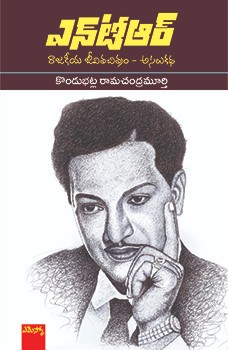
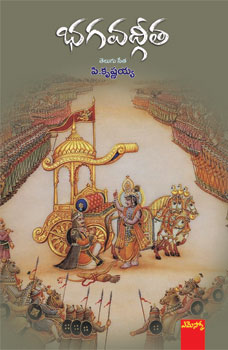
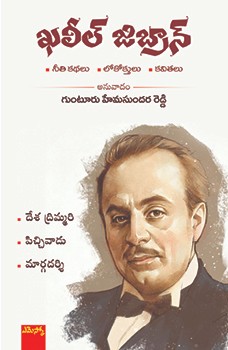
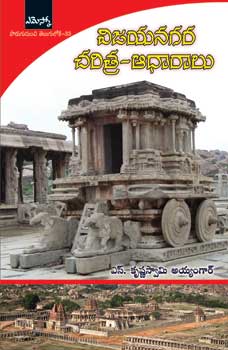
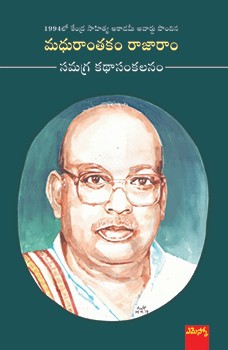
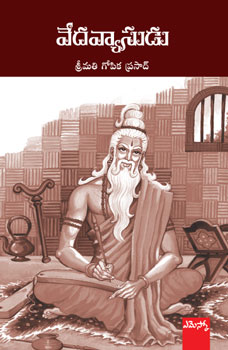
వేదవ్యాసుడు
The Emesco Bookstore — the real product. The Reader is the doorway; the Bookstore is the destination.
- Indian-language literature first. Contemporary and classic fiction, poetry, history, biography, children’s books and periodicals — Emesco’s own catalogue of more than four thousand titles, the Emesco Pocket Books and Book Club series that brought Gurajada’s Kanyasulkam and Allasani’s Manucharitra into every home, the Telugu Vedas, the Maha Nighantuvu dictionary programme, and titles from every willing Telugu and Hindi publisher — followed by Tamil, Kannada, Malayalam, Marathi, Bengali, Gujarati and onward across the scheduled languages. Every publisher gets a revenue-share storefront with proper Indic typography and rights protection.
- Indian and international English titles, so the Reader is the only device a household needs.
- Audiobooks and read-aloud in Indian voices — the fastest-growing format for Indian-language content[12].
- Devotional and cultural texts, epics and classical literature in the original scripts, with dictionaries and cross-language lookup (Telugu ↔ Hindi ↔ English).
- Textbooks and study material. NCERT’s own textbooks may be distributed free of charge as published[15]; the Bookstore carries them as a free shelf. The Emesco devices are clients of DIKSHA — the national digital platform for school education, declared “One Nation, One Digital Platform” under PM e-Vidya, named in NEP 2020 clauses 2.60 and 23.60, adopted by every State and UT, CBSE, NIOS and the Kendriya Vidyalayas, with over two crore registered users and 135 languages as at March 2026[37]. DIKSHA’s QR-coded energised textbooks resolve on the Emesco device instead of on a phone, which is the whole argument of this document in a single gesture. Emesco also works with state boards and SCERTs on the Government’s programme to digitise all textbooks in Indian languages within three years[16]. Board-approved supplementary material from publishers is sold in the normal way.
- Library lending for schools, colleges and public libraries — a licence pool of titles that patrons borrow on Emesco Readers, with returns automated — the digital successor of Emesco’s Intinta Granthalayam home-library movement. For schools, the same pool carries NIPUN Bharat foundational literacy and numeracy material, the mission NITI Aayog credits alongside NEP 2020 and Samagra Shiksha with the post-pandemic recovery in foundational learning[33][38].
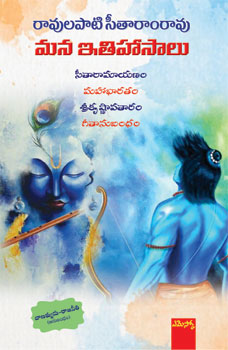
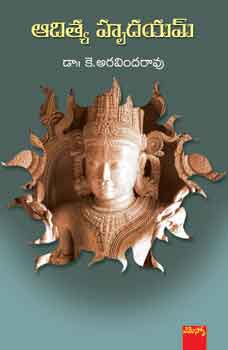
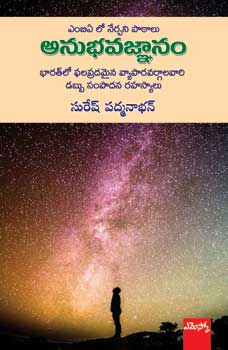
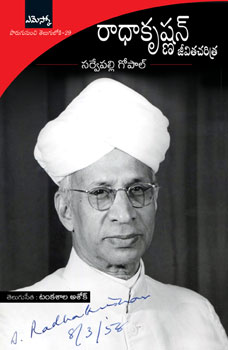
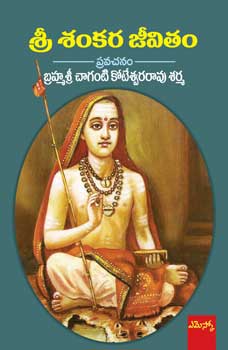
Reading experience. Dictionary and translation on tap; annotation and highlights synced to the Writer; adjustable Indic fonts and line spacing; a “distraction-free by design” promise — no games, no video, no feeds.
Where it sells. Direct online at emescobooks.store and through Emesco’s own outlets; bookshops and publishers as resellers, with the Bookstore as their digital counter; public and institutional libraries; reading programmes and CSR-funded literacy initiatives; gifting and corporate editions; e-commerce marketplaces.
3.Product Category B — Emesco e-Writer
Who it is for. Students from Class 6 upwards; students and researchers in universities and institutes of national importance; professionals and business users who live in meetings and notes; writers, authors, bloggers and journalists who think in their mother tongue; scholars and translators; government officers and field staff who still carry paper files.
The device. A 10.3″ writing tablet with an electromagnetic pen that feels like a pencil on paper, and a larger colour variant for teachers, officials and professionals. Notes, templates, PDF annotation, document signing, weeks of battery, a locked-down mode for institutions, and full device management. Because the screen is reflective, it can be used under a tree, on a train or in a power cut.
కొంచెముండుటెల్ల కొదువ కాదు
Indic handwriting to text, on paper-like screens
Write in Telugu or Hindi. The Writer converts your handwriting into the language’s own Unicode font — searchable, editable, translatable — and keeps the page feeling like paper.
- 1Handwriting → Telugu / Hindi Unicode text
- 2Telugu ↔ Hindi ↔ English translation
- 3Search across every handwritten notebook
- 4Voice notes to text in Indian languages
Indic handwriting to text — the Emesco difference. Write a note in Telugu or Hindi and Emesco Write converts it into the language’s proper Unicode font — searchable, editable, shareable, translatable. No e-paper writing device sold today does this for any Indian language[13][17][18]. Emesco builds it on India’s own language-technology foundations: the national Bhashini platform and the handwritten-text recognition work of India’s premier institutes, which now covers thirteen Indian languages including Telugu and Hindi[19][20]; the largest public Indic handwriting datasets[21]; and open Indian translation and speech models released under permissive licences[22]. Around this core Emesco adds:
- Transliteration and translation between Indian languages and English, so a note written in Telugu can be sent as Hindi or English text.
- Voice notes to text in Indian languages.
- Search across handwriting, so a year of notebooks is one query away.
- Indic fonts and rendering designed with India’s language institutions, so converted text looks like print, not like a compromise.
- Hindi receives particular depth in the first release, alongside Telugu, followed by the remaining scheduled languages.
PARAKH’s 2024 national survey found that Indian students perform well on familiar patterns and struggle when asked to apply the same knowledge to an unfamiliar problem — fewer than 30% of Grade 6 students are competent in fractions[35]. Measuring that gap requires constructed response — a student writing out a solution or explaining a step — rather than multiple choice. Constructed response has never been markable at Indian scale, so assessment defaults to recall, and teaching optimises for what is assessed.
Handwriting-to-text in Indian languages changes that arithmetic. A child’s worked solution, written by hand in Telugu or Hindi, becomes searchable, machine-readable text at the moment it is written. That makes competency-based assessment operationally possible in the mother tongue, which is what NEP 2020 asks for and what PARAKH was created to deliver. Emesco Write is not only a better notebook. It is the missing input device for an assessment reform India has already committed to.
Emesco Learn — level-based learning inside the Writer. A single Grade 8 classroom in India contains children reading at Grade 2, Grade 5 and Grade 8 levels at the same time. ASER 2024 finds that 71.1% of Grade 8 students can read a Grade 2 text — down from 74.7% in 2014 — and that 45.8% can perform basic division[36]. One teacher with one textbook cannot serve three levels at once, which is why NITI Aayog’s first academic recommendation is the shift from textbook completion to foundational mastery and level-based instruction[33].
Emesco Learn is built for that shift. It assesses where each child actually is, serves graded material at that level in the child’s own language, and shows the teacher which children are where — so that the teacher’s time goes to the children who need explaining rather than to sorting the class. PISA 2022 found that the availability of teachers to help students in need had the strongest relationship to mathematics performance of any factor tested, worth around 15 score points[31]. The platform’s purpose is to buy the teacher that time, not to replace the teacher.
Around that core it does the ordinary things well: courses and readings on the MOOC model India already runs at national scale — SWAYAM alone has crossed five crore enrolments[23] — assignments, quizzes and assessments; attendance and progress for teachers and parents; completion records aligned to the Academic Bank of Credits and APAAR IDs, which now cover 26 crore learners[24]. It is a client of DIKSHA and integrates with the LMS platforms institutions already run, rather than asking a state or a university to leave the platform it has standardised on. Device management keeps the device locked to learning during school hours, with content pushed centrally and nothing installed that a teacher has not approved. The result is a device that satisfies the PRAGYATA screen-time guidance and the NEP 2020 vision at the same time[3][4].

Class progress · today
Device management
Use cases by segment.
- Schools: the eye-safe digital slate — level-based material, exercises and assessments in the mother tongue; handwriting practice in the child’s own script; no games and no feeds.
- Universities and institutes: lecture notes, research papers, thesis drafts, e-exams and evaluation, with handwriting-to-text in the student’s language; target institutions include the IITs, IIMs, NITs, IIITs, central and state universities and medical universities.
- Professionals and businesses: meeting notes, contracts and signatures, journals and field reports, with corporate device management.
- Writers, bloggers and scholars: draft in the mother tongue by hand, convert, edit and publish — directly to the Emesco Bookstore.
- Government offices: notes, file annotations and drafting in the official language of the state, on a device that lasts a week without charging.
Where it sells. Institutional programmes with state education departments and universities (pilots, then tenders and GeM); campus and college stores; direct online; corporate bulk; CSR-funded school programmes.
4.Product Category C — Emesco Art Frame
Who it is for. Homes and art lovers; scholars and professionals; officers’ chambers and government reception areas; museums, galleries and cultural institutions; corporate lobbies, boardrooms and hospitality; auditoriums, conferences and events; temples and religious institutions.
The device. Colour e-paper frames in two formats — a 13.3″ desk or wall frame and large 25–31.5″ wall frames — with the new generation of full-colour e-paper that reproduces 60,000 colours at print-like resolution and is already the standard for art frames worldwide[25]. No glare, no heat, no cables across the wall; months of battery or discreet powered mounting; artwork changes on a schedule from the Emesco Frames app. A frame that looks like a framed print, because it is one — until tomorrow’s artwork arrives.
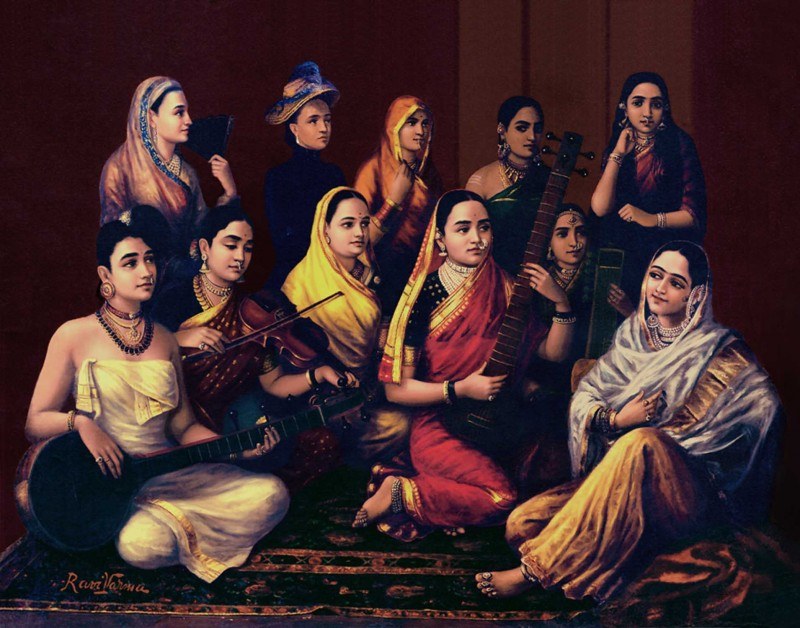
The Emesco Art Library. Art is the content that makes the Frame a subscription rather than a gadget. Emesco’s own archive of illustrations, cover art and cultural artefacts from eighty years of publishing is the seed; around it the Library brings together India’s visual heritage — the names below are examples of the collections Emesco will seek to license from artists’ estates, living artists and institutions, alongside masters already in the public domain:
- The pioneers (public domain): Raja Ravi Varma, Amrita Sher-Gil, Abanindranath Tagore, Gaganendranath Tagore and the Bengal School.
- The modern masters (licensed from estates): Nandalal Bose, Jamini Roy, M.F. Husain, S.H. Raza, F.N. Souza, Tyeb Mehta, V.S. Gaitonde, Ram Kumar, Akbar Padamsee, K.G. Subramanyan, Jehangir Sabavala, Bhupen Khakhar, Manjit Bawa, Krishen Khanna.
- Telugu visual culture (licensed): Bapu, Damerla Rama Rao, Kondapalli Seshagiri Rao, P.T. Reddy, Vaddadi Papaiah, Chandra, Thota Vaikuntam, K. Laxma Goud, Surya Prakash and the illustrators of Emesco’s own books.
- Living contemporary artists: Anjolie Ela Menon, Arpita Singh, Jitish Kallat, Atul Dodiya, Subodh Gupta and others, on royalty terms paid transparently through the platform.
- Folk and tribal traditions: Cheriyal scrolls, Kalamkari, Madhubani, Warli, Gond, Pattachitra, Pichwai and Tanjore, licensed from artist collectives with royalties flowing back to the artists.
- Photography, calendars and panchangam, daily quotations in Indian languages, children’s art, and corporate channels for a company’s own communication; and the family’s own photographs.
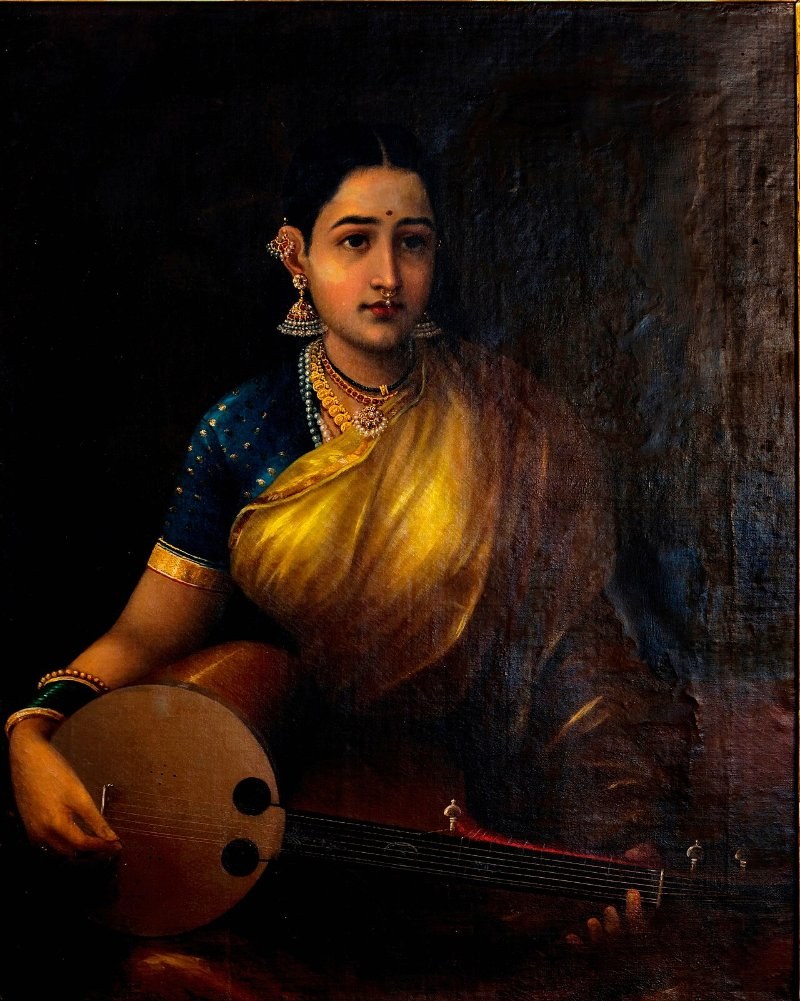
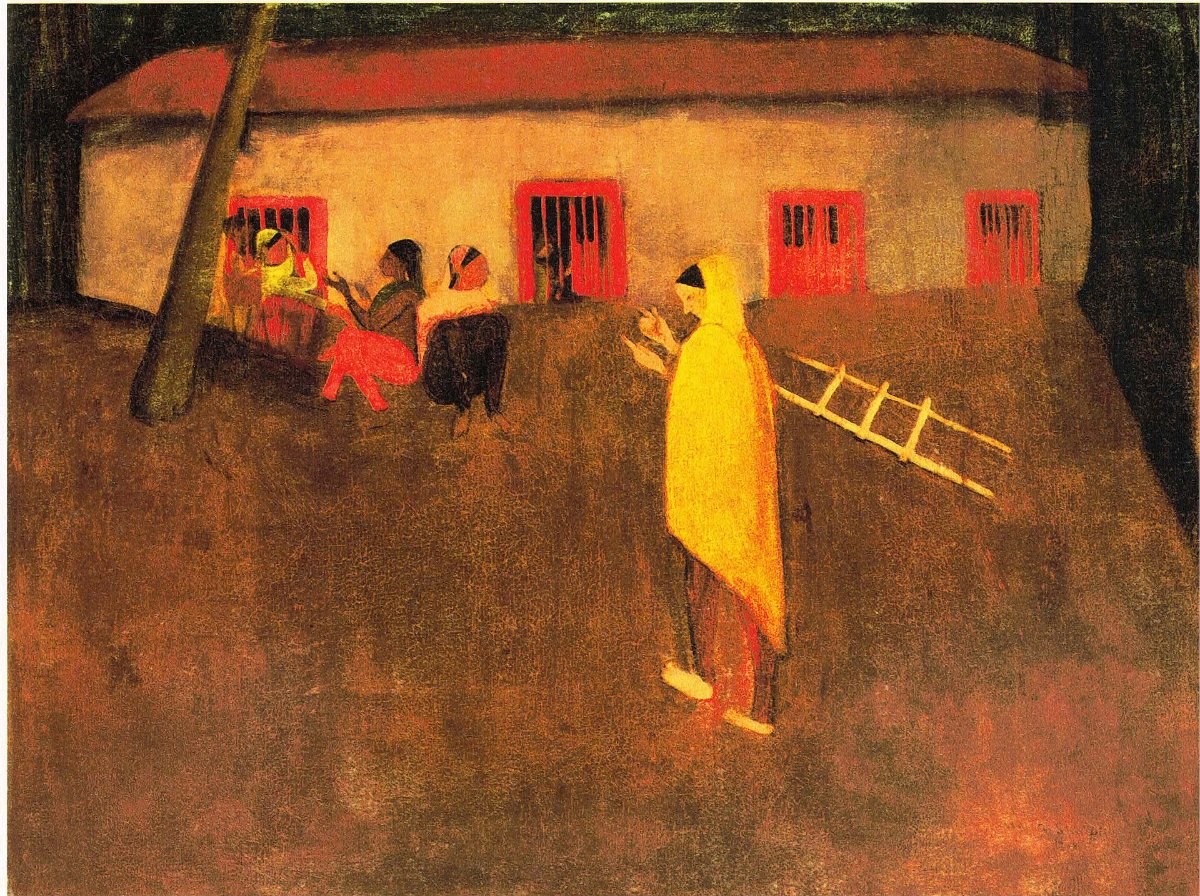
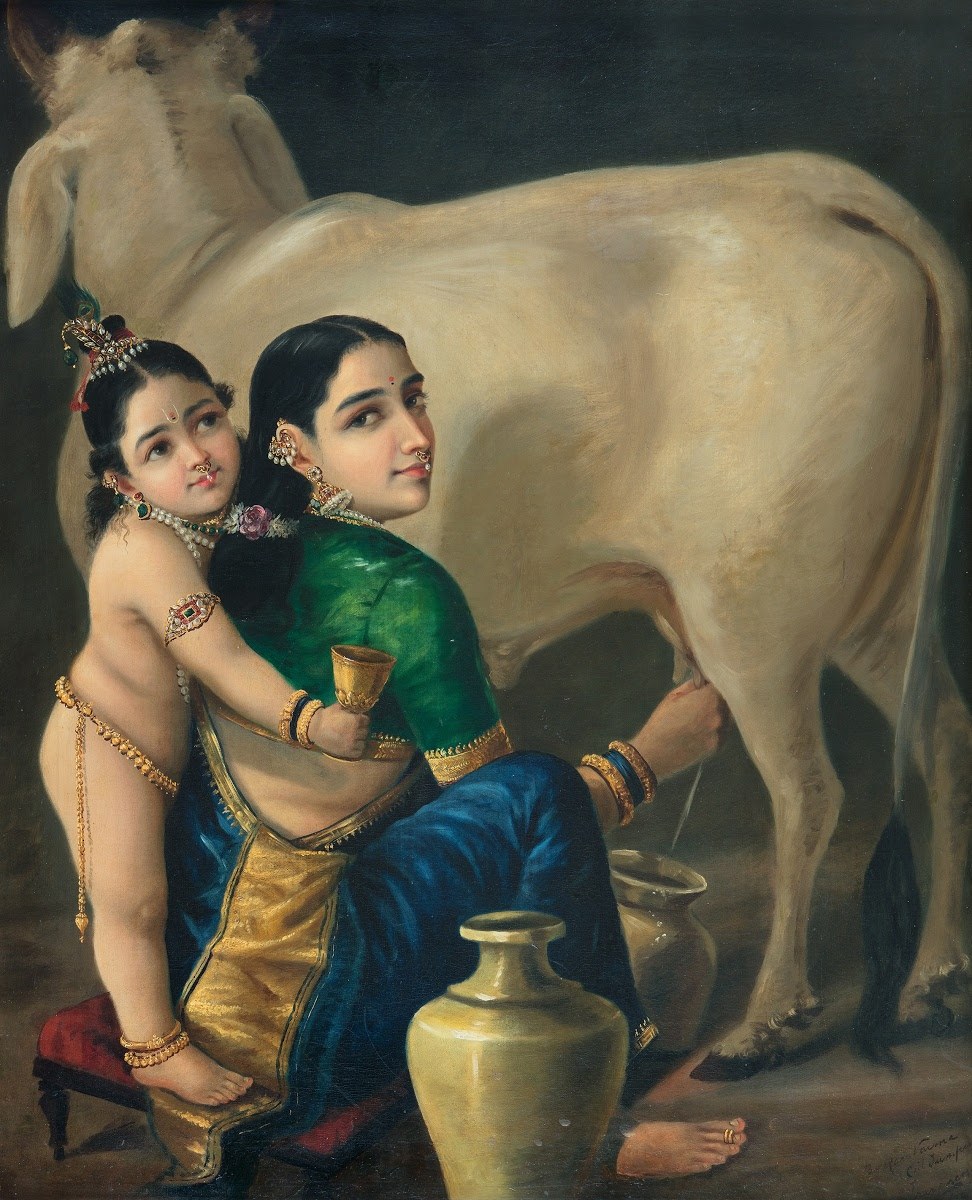
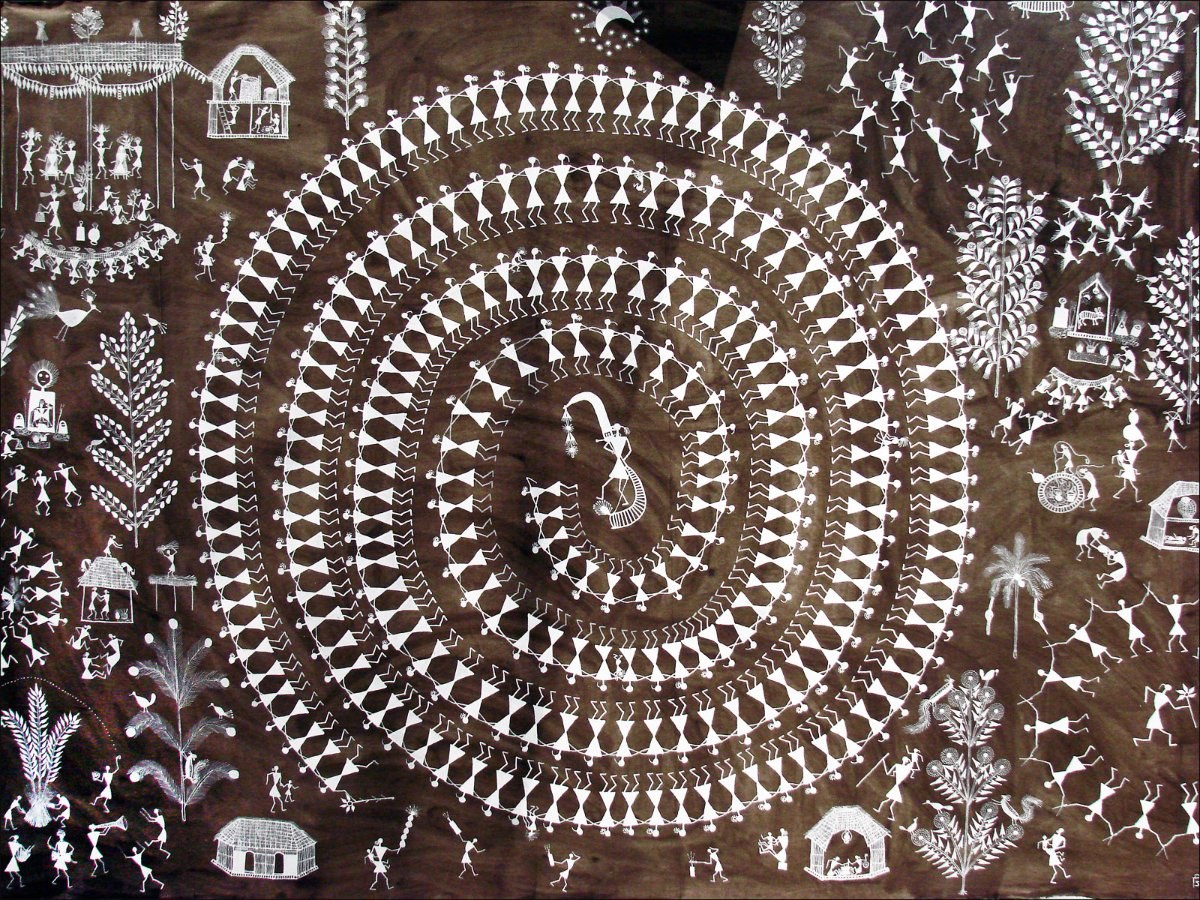
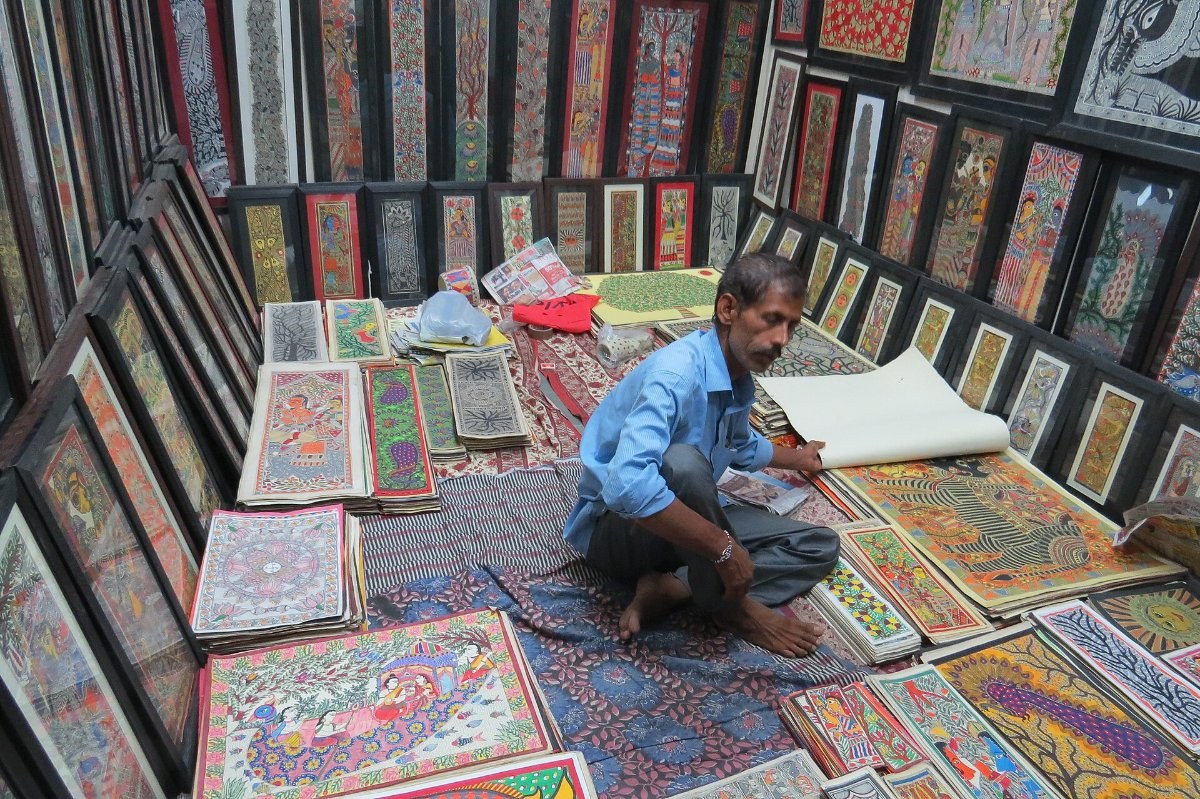
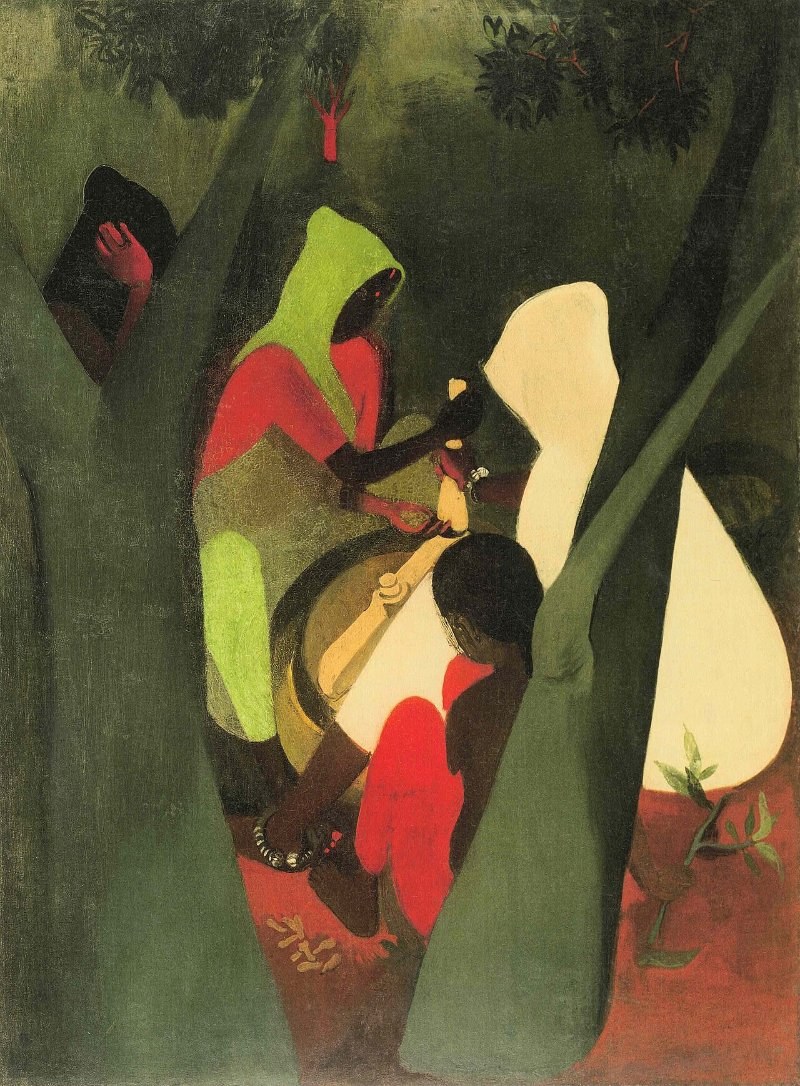
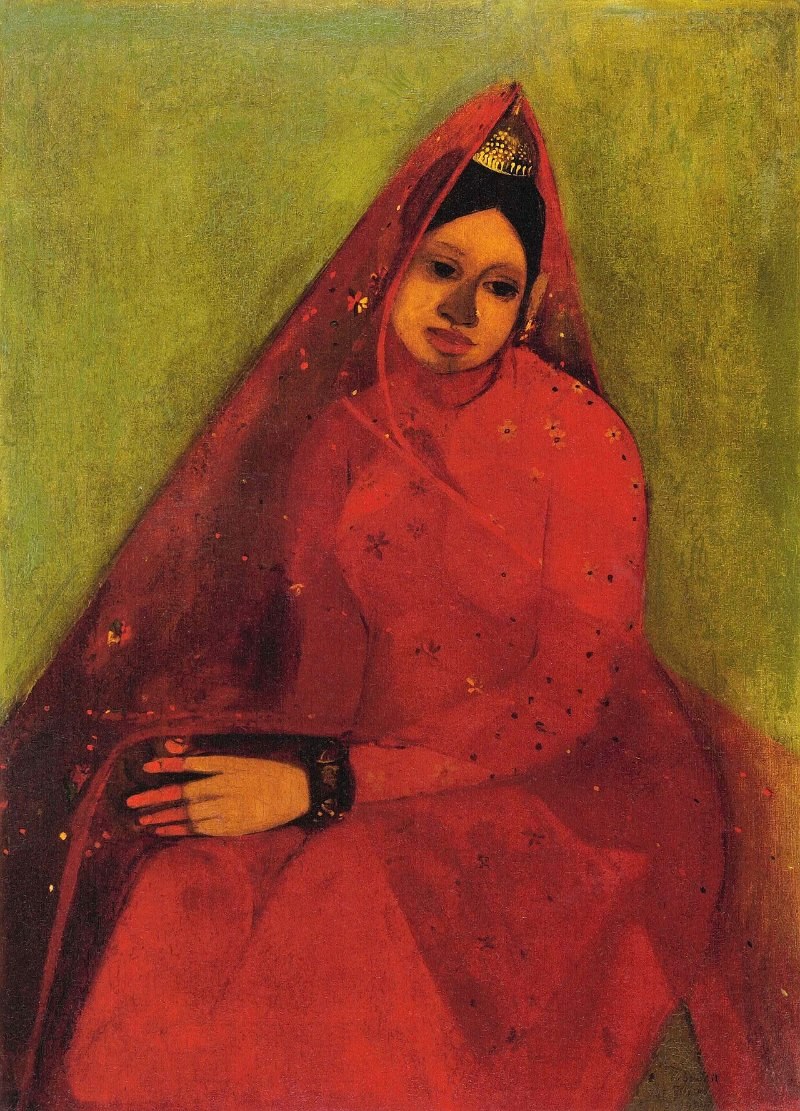
The app. Subscribe to channels; schedule what shows when; manage one frame or five hundred from one dashboard for museums, hotels and offices; captions and artist notes in Indian languages; a royalty ledger so artists and estates are paid transparently.
Where it sells. Direct online and premium retail; interior designers and architects; corporate gifting and workplace programmes; museums and cultural bodies; hotels and hospitality; government offices as a paperless notice board that is also a work of art.
5.One ecosystem behind three products
The three products share one Emesco account, one Indic content pipeline, one device-management backbone and one payment and royalty system. A student’s Reader, a professor’s Writer and an office’s Frame are three windows into the same library. This is what makes the business durable: hardware brings a reader in; the Bookstore, the handwriting engine, the learning platform and the art library keep them.
Open at the edges. The ecosystem is deliberately not a walled garden. Emesco Learn is a client of DIKSHA and interoperates with the LMS platforms institutions already run; content follows open standards so a state or a university never has to leave the platform it has standardised on to use an Emesco device. Closed hardware, open content: the discipline is on distraction, not on the library.
The partners around Emesco. Emesco leads content, editorial, rights, the Telugu-first programme and the customer relationship. India’s language institutions — the Central Institute of Indian Languages at Mysuru, where Emesco already keeps a project office on the Manasagangotri campus, the font and language laboratories of the IITs and IIITs, and language-development bodies in India and abroad — contribute fonts, corpora and recognition models. Device manufacturing, certification, deployment and after-sales service run through established Indian electronics partners under the Make-in-India path in Annexure A.
Telugu and Hindi first — then every scheduled language of India
6.Market segments at a glance
| Segment | Product(s) | What they buy it for | Channel | Evidence or policy hook | Priority |
|---|---|---|---|---|---|
| Universities and institutes of national importance | Writer + Learn | Notes, research, exams; Indic handwriting-to-text | Institutional pilots, campus stores | Shortest sales cycle; budget-holding departments; no procurement-scale evidence burden | Wave 1 anchor |
| General readers (Telugu, Hindi, then all languages) | Reader + Bookstore | Literature and news in their own script; eye comfort | Online, bookshops, retail | Emesco’s own catalogue, outlets and eighty years of reader trust | Wave 1 |
| School education (government and private) | Writer + Learn + free textbook shelf | Level-based, eye-safe, distraction-free learning in the mother tongue | Funded pilots, then state programmes, CSR | NITI Aayog 2026 roadmap; NIPUN Bharat; DIKSHA; PISA moderate-use evidence | Wave 1 pilot Wave 2 scale |
| Government officers and offices | Writer; Frame | Official-language drafting; paperless notice and art | Direct, GeM | GeM listing completed in Annexure A Step 1; short evaluation cycle | Wave 1–2 |
| Professionals, writers, bloggers, scholars | Writer + Bookstore | Write and publish in the mother tongue | Online, corporate | Real but diffuse; no institutional buyer | Wave 2 |
| Museums, galleries, cultural bodies | Frame + Art Library | Rotating exhibitions without printing; multi-frame control | Direct, cultural institutions | Frame-led; independent of the education argument | Wave 2 |
| Libraries and reading programmes | Reader + lending | Digital lending without distraction | Public libraries, CSR | Successor to Intinta Granthalayam; NIPUN Bharat material | Wave 2 |
| Corporates, hospitality, events | Frame + Art Library | Lobby and boardroom art; corporate channels | Interior/FM partners, gifting | Frame-led | Wave 2 |
| Homes and art lovers | Frame + Art Library | Living art on the wall | Online, premium retail | Follows brand established in Waves 1–2 | Wave 2–3 |
7.How we will know it works
NITI Aayog’s 2026 roadmap comes with more than 125 measurable Performance Success Indicators, and every state implementing it will report against them[33]. Emesco does not intend to arrive at a tender with a specification sheet and a claim about eye comfort. A Principal Secretary choosing between an Emesco Writer and a low-cost tablet at a fraction of the price is not asking which is gentler on the eyes. They are asking which moves the number in their district’s learning report.
In Wave 1, alongside the university anchor, Emesco will run funded pilots designed to answer that question in the state’s own indicators.
| Element | Design |
|---|---|
| Unit and scale | Two to three school complexes rather than scattered individual schools. NITI Aayog recommends operationalising school complexes under NEP 2020 — one secondary or senior secondary school grouped with nearby primary schools and Anganwadis within a 5–10 km radius, sharing subject teachers, laboratories and libraries. The complex is the natural procurement unit for a shared device pool and a shared licence pool, and it is the unit the roadmap is organised around. |
| Primary outcome | Change in the proportion of students reading at grade level and performing grade-level arithmetic, measured on the ASER instrument at baseline and after two terms. These are the numbers already in the national conversation. |
| Secondary outcomes | Instructional minutes per student per day on the device, against a target at or below one hour, following the PISA finding; teacher instructional-support minutes freed; attendance; device uptime in schools without mains power. |
| Comparison | Matched control schools in the same complex or block. Without a comparison group the results will not survive scrutiny. |
| Disaggregation | By gender, social group, and rural or urban location. A district mean conceals exactly the inequity a state department is being asked to close. |
| Independence | Evaluation commissioned through an SCERT or university rather than reported internally. A vendor-reported learning gain is worth very little in a tender file. |
| Publication | Published in full, whatever the result shows. |
What we do not claim
The same evidence base that supports this programme contains a finding that runs against an easy version of it, and it is better stated here than raised across a table. PISA 2022 found that education spending is associated with better performance only up to roughly USD 75,000 PPP cumulative per student between ages 6 and 15, and that beyond that threshold there is no relationship. India, spending about 4.6% of GDP against the 6% target, sits far below that threshold — so additional Indian education spending should still buy learning. But the report is explicit about composition: Korea and Singapore built top-tier systems from relatively low income levels by prioritising the quality of teaching over class size and over hardware[31].
The honest reading is that hardware is not the lever. Teacher time, mother-tongue content and level-based instruction are the levers. A device is a delivery channel for them. Emesco does not claim that a device teaches a child. It claims to deliver the three things the evidence says do work — in the child’s own language, to schools with no connectivity and no reliable power, without importing a distraction the teacher then has to police.
The same restraint applies to artificial intelligence. AI and Computational Thinking entered the curriculum from Grade 3 in October 2025, and NITI Aayog supports AI for pedagogical innovation while warning that, without ethical frameworks and proper teacher training, it may diminish independent thinking in young learners[33]. Emesco’s use of AI is deliberately narrow and on-device where possible: handwriting recognition, transliteration, translation and speech, built on India’s own language-technology foundations. There is no generative feed, no recommendation engine competing for a child’s attention, and no model trained on children’s work without consent. Restraint here is a design position, not a limitation.
8.Why Emesco
Emesco was born as M. Seshachalam & Co., founded by M.N. Rao and named after his father — shortened by readers to “Emesco”, and known in every Telugu home for eighty years. Through the Emesco Pocket Books and the Emesco Book Club it placed thousands of novels and literary classics in readers’ hands at prices anyone could afford; through Intinta Granthalayam it seeded lakhs of home libraries; in 2000 it published the Vedas in Telugu, funded entirely by readers’ pre-publication subscriptions and released on one day at more than 200 centres. Today its programme includes the Maha Nighantuvu — a modern Telugu dictionary of more than two lakh entries — 31 translations of modern Indian writing into Telugu under Porugu nunchi Telugu loki, Sanskrit classics with Telugu commentaries, and an international-standard children’s literature programme with more than 1,200 titles across 22 Indian languages[26].
Emesco Books Private Limited operates from Hyderabad and Vijayawada with project offices in Chennai and at Manasagangotri, Mysuru[27]. It brings to this programme a catalogue, an archive, editorial and rights expertise, a network of authors and publishers, and — above all — the trust of readers. Indian devices, Indian software, Indian content, Indian languages: designed for India and made in India in steps (Annexure A).
Made for India. A reference for the world.
Every element of this programme is built for Indian readers first: the scripts, the literature, the classroom, the art on the wall. That is precisely what makes it exportable. The Indic handwriting engine, the multilingual bookstore, the distraction-free learning device and the art-subscription frame are answers to questions the rest of the world is only beginning to ask — about screen time, about languages that mainstream devices ignore, about culture on paper-like screens.
The screen-time question in particular is no longer India’s alone. Sweden has moved school budgets back to printed books; the OECD has published the evidence on distraction and on the limits of phone bans; education ministries across three continents are looking for a device that gives a child the library without the feed. Emesco intends the Indian solution to be the reference implementation others follow.
AAnnexure A — Bringing it to India, making it an Indian product
Bringing it to India, making it an Indian product
Finished devices imported · Emesco software, Indic fonts, Bookstore, Write, Learn and Frames built and hosted in India · BIS / WPC / EPR / GeM groundwork · pilots with schools, institutions and cultural bodies
SKD → CKD assembly with an Indian EMS partner · enclosures, batteries, PCBA, packaging and software value localised · ≥50% local content → Class-I Make-in-India preference · ECMS and state incentives
Own module and device line as volumes justify · industrial design, firmware and waveform tuning in Hyderabad · Indic fonts, handwriting engine, stroke corpus and content pipeline as India-owned IP
Step 1 — Launch fast, localise the software (Year 1). Devices arrive as finished products from established e-paper manufacturers; Emesco’s software — the Indic rendering, Emesco Write, Emesco Learn, the Bookstore and Frames apps, and device management — is developed and hosted in India from day one. Dedicated e-paper readers sit outside the import-authorisation regime that applies to laptops and tablets, so the first products can be brought in without licensing friction (classification of the writing tablets is settled with an advance ruling), and the compliance groundwork — BIS registration where applicable, WPC equipment approval, e-waste producer registration, GeM listing — is completed in this step. Pilots run with schools, institutions and cultural bodies while the content library is built, on the evidence design set out in Section 7.
Step 2 — Assemble in India (Year 2). As volumes grow, devices move to semi-knocked-down and then completely-knocked-down assembly with an Indian electronics manufacturing partner. Enclosures, batteries, printed-circuit assembly, packaging and software value are localised to cross the 50% local-content threshold that earns Class-I “Make in India” purchase preference in government procurement[28]. The Electronics Component Manufacturing Scheme (2025) supports display-module sub-assembly and the components around it[29], and Andhra Pradesh’s Electronics Manufacturing Policy 4.0 offers capital subsidies of 20–30% and full SGST reimbursement for five years[30] — the framework for an e-paper assembly line in the Telugu-speaking states.
Step 3 — Design and build in India (Year 3 onward). With the order book established, the programme moves to its own module and device line, with industrial design, firmware, waveform tuning and Indic-language technology done in Hyderabad. The Indic fonts, the handwriting engine, the stroke corpus collected from Indian users and the content pipeline become India-owned intellectual property — the part of the product that cannot be imported.
What stays Indian throughout. The languages, the content, the software, the service network and the customer relationship. The hardware becomes Indian in steps; the product is Indian from the first day.